Step Toward Better Foot Health: Supporting Patients During Diabetes Awareness Month
By Mallory Lor, CPed

November marks Diabetes Awareness Month, a timely opportunity for healthcare professionals to spotlight the critical, but often underemphasized, role of foot health in diabetes management. With over 37 million Americans living with diabetes, the risk of foot complications remains a significant concern, especially among patients with neuropathy or peripheral vascular disease.
As providers, you have a unique opportunity to educate, intervene early, and empower patients to take proactive steps toward better foot health.
Why Foot Health Deserves More Attention
Diabetes-related foot complications are among the leading causes of hospitalization and lower-limb amputations. Neuropathy can mask injuries, while poor circulation impairs healing, creating a dangerous combination. Routine foot care and patient education can dramatically reduce these risks.
Patient Foot Health Checklist
Encourage your patients to adopt these daily habits:
- Daily foot inspections: Teach patients to check for cuts, blisters, redness, or swelling. Recommend using a mirror or asking for help if mobility is limited.
- Proper hygiene: Advise warm (not hot) water for washing, thorough drying (especially between toes), and caution during pedicures.
- Moisturizing safely: Recommend moisturizing dry areas like heels, but avoiding the toe spaces to prevent fungal infections.
- Toenail care: Educate on trimming nails straight across to prevent ingrown toenails. For patients who get pedicures, provide clear instructions they can share with technicians.
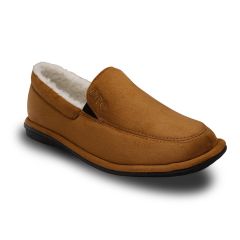
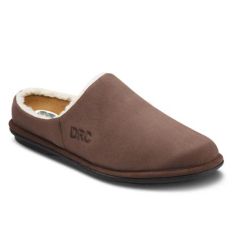
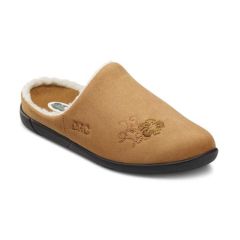
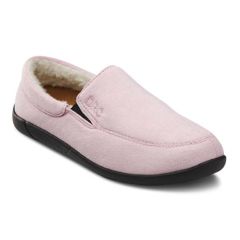
- Footwear guidance: Stress the importance of protective footwear—even indoors. Dr. Comfort offers extra depth, diabetic-friendly slippers with removable gel inserts and toe box protection.
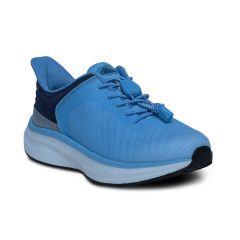
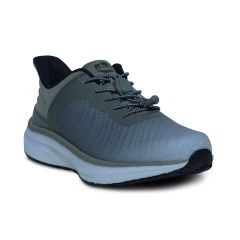
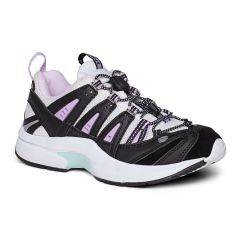
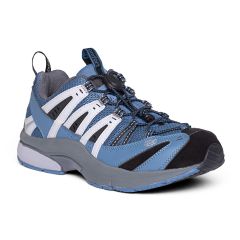
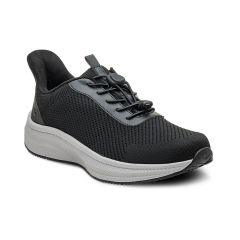
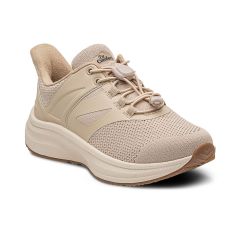
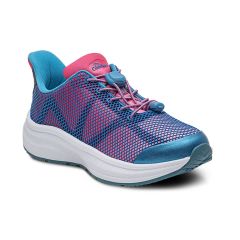
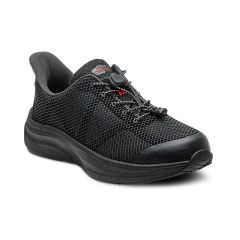
- Activity and circulation: Encourage low-impact exercise like walking, paired with proper footwear. Dr. Comfort’s athletic line includes hands-free options for ease and safety.
- Routine podiatry visits: Recommend annual foot exams, or more frequent visits for high-risk patients. Many patients qualify for Medicare covered nail trim appointments too.
Clinical Red Flags: When to Escalate
Ensure your care team and your patients are trained to recognize:
- Numbness, tingling, or burning sensations
- Non-healing wounds or ulcers
- Persistent redness, swelling, or warmth
- Pain during ambulation
- Structural changes in foot shape or color
Early intervention can prevent complications and improve outcomes.
Partnering for Prevention
This Diabetes Awareness Month, let’s reinforce the importance of foot health across care teams. Consider:
- Hosting patient education sessions
- Distributing foot care checklists in waiting rooms
- Collaborating with podiatrists for integrated care
- Recommending diabetic footwear solutions tailored to specific foot conditions; Dr. Comfort has shoes to support many foot conditions.
A Step Forward in Patient Outcomes
Foot health is foundational to mobility, independence, and quality of life for people with diabetes. By prioritizing education and prevention, we can help patients take confident steps toward better health - one foot at a time.
The contents of this blog were independently prepared and are for informational purposes only. The opinions expressed herein are those of the author and are not necessarily indicative of the views of any other party. Individual results may vary depending on a variety of patient-specific attributes and related factors.
-

Joy
Women’s Hands-Free Shoe(1) ReviewDr. Comfort® Quick-Fit: Hands-Free Comfort, Unbeatable Quality Learn More -
Don
Men’s Hands-Free Shoe(7) ReviewsDr. Comfort® Quick-Fit: Hands-Free Comfort, Unbeatable Quality Learn More -
Relax
Men’s Slipper(2) ReviewsRelaxing slipper with a closed-heel design ideal for lounging or walking around the house. Learn More -
Easy
Men’s Slippers(1) ReviewSoft men’s slippers with an open heel for warmth and comfort. Learn More -
Cozy
Women’s Slipper(3) ReviewsCute and comfy open-heel slipper, ideal for lounging or walking around the house. Learn More -
Cuddle
Women’s Slipper(3) ReviewsComfy and stylish slip-on, closed heel slipper, ideal for relaxing or walking around the house. Learn More -
Refresh
Women’s Athletic Shoe(7) ReviewsUltra-lightweight cross-trainer with a unique arch stabilizer for enhanced support. Learn More -
Performance
Men’s Athletic Shoe(6) ReviewsLightweight, cross-trainer providing arch stability, support and comfort. Learn More -
Finch
Men’s Hands-Free ShoeSleek, convenient slip-on design with a comfortable fit, perfect for effortless everyday wear. Learn More -
Wren
Women’s Hands-Free ShoeSleek, convenient slip-on design with a comfortable fit, perfect for effortless everyday wear. Learn More -
Robin
Women’s Hands-Free Shoe(1) ReviewStylish, hands-free design for a comfortable and hassle-free fit, ideal for everyday wear. Learn More -
Jay
Men’s Hands-Free Shoe(1) ReviewStylish, hands-free design for a comfortable and hassle-free fit, ideal for everyday wear. Learn More